Before installing a new fence, it's essential to understand your property lines for fence placement. Skipping this step can lead to costly mistakes, neighbor disputes, or even legal issues.
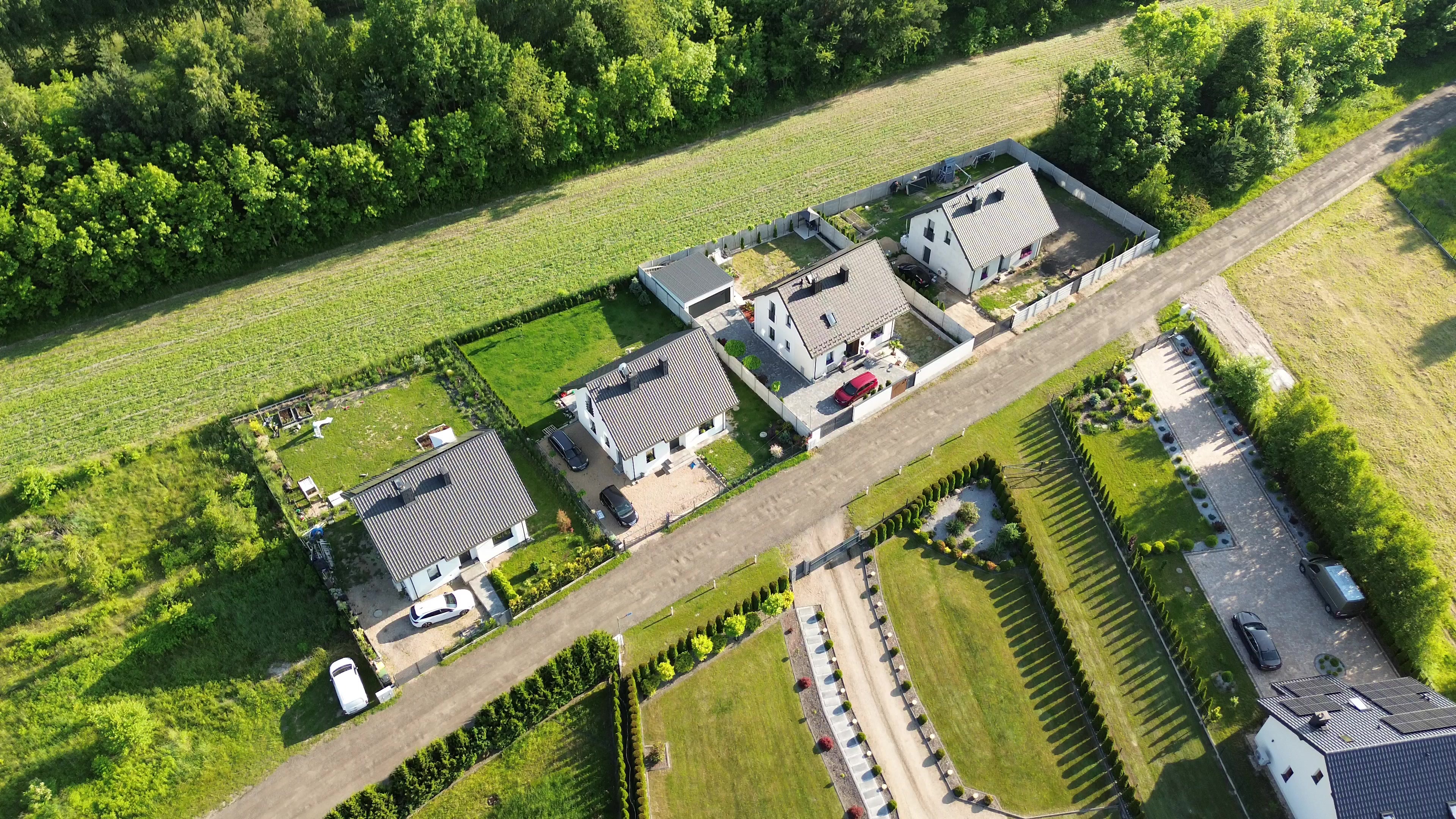
When planning a new fence, many homeowners are so focused on the style and material that they forget about the legal side of the project. Overlooking permits, zoning rules, or property lines can result in fines, the need to move your fence, or even issues with your neighbors.
This blog will help you understand how to find your property lines for fence projects and give you the confidence to move forward with your installation. You’ll learn what to look for, who to contact, and how to make sure your fence meets all local requirements before construction begins.
Before starting your fencing project, speak with your neighbors. Because the fence may sit near or along a shared property line, giving them a heads-up is both respectful and practical.
Your neighbor might also be able to help you locate property lines or offer input on the fence's placement and design. In some cases, they may even be open to splitting the cost. Open communication early on can prevent misunderstandings and reduce the risk of disputes later.
After talking with your neighbor about your fencing plans, the next step is to figure out exactly where your property lines are. Don’t guess or rely on an old fence or outdated documents.
Placing your fence in the wrong spot can lead to expensive problems, such as having to relocate or remove the fence.
Here are the best ways to find your property lines:
Look at your deed, plat map, or property survey1. These documents often show the size and shape of your property, including the boundary lines.
Some properties have metal pins, corner stakes, or concrete markers placed by a surveyor. These may be at the edges or corners of your lot. Keep in mind, they can be hard to find if they’ve been covered by dirt, grass, or landscaping.
If you plan to dig in these areas, be sure to call 8112, the national “call before you dig” number. This free service sends professionals to mark underground utility lines so you can dig safely and avoid damage or injury.
Your city or county may have zoning maps or property records available online or in person. They can also explain specific rules, such as how far your fence needs to be from the property line and whether a permit is required.
For the most accurate and reliable results, hire a licensed land surveyor3. A survey will clearly mark your property boundaries and give you legal protection in case any questions come up later. This is especially helpful if:
Once your property lines are confirmed, bringing in a professional fencing company is the best way to avoid headaches later. DIY projects may seem easy at first, but even small errors—like using the wrong materials or misjudging placement—can lead to costly setbacks or code violations.
A qualified installer will ensure your fence meets all local regulations, including height limits, material guidelines, and required setbacks. They can also handle permits and inspections, helping you avoid delays and keep the project on track.
At 76 Fence, we offer a complete white-glove service every step of the way. When you work with us, you can count on:
We are here to ensure your fence is safe, legal, and built to last.
A successful fencing project begins well before installation. Start by talking to your neighbor, then take the time to find your exact property lines. After that, work with a trusted professional to handle the installation.
By taking these steps, you reduce the risk of errors, avoid legal issues, and keep neighbor relationships intact. If you're ready to get started, contact 76 Fence in Doylestown, PA today for your free estimate!


At 76 Fence BucksMont, your satisfaction with your fence is our top priority. See for yourself what people have to say about working with us.
